In the mahogany-panelled boardrooms of The City and the glass towers of Canary Wharf, conversations are shifting. The smart money is no longer asking "How do we rank higher on Google?" Instead, they're asking a more sophisticated question: "How do we capture and defend our digital market share?"
If you're leading a London business and still viewing SEO as a technical expense rather than a strategic asset, you're not just missing opportunities—you're handing them to competitors who understand the game has changed.
Moving from "Search Rankings" to "Digital Market Share"
Let me paint you a picture. Imagine you're choosing between two locations for your business: a cramped unit down a Bermondsey side street or a flagship storefront on Regent Street. The choice seems obvious, doesn't it? Yet every day, London businesses make the digital equivalent of choosing the side street by neglecting their search visibility.
Being on page one of Google isn't about vanity metrics or technical achievements. It's about positioning your business where your highest-value prospects are actively looking for solutions. When a Managing Director in Mayfair searches for "corporate law firms London" or a startup founder in Shoreditch looks for "growth marketing agencies," the businesses that appear prominently aren't just visible—they're perceived as the market leaders.
This is digital real estate at its most valuable. Every search result is prime commercial property, and the businesses occupying the top positions are capturing what I call "high-intent digital footfall"—prospects who aren't browsing casually but are ready to engage, evaluate, and ultimately transact.
The data tells the story clearly: in London's competitive marketplace, 67% of clicks go to the first five organic results. If your business isn't in that exclusive club, you're effectively invisible to the majority of your potential market. That's not a technical problem—it's a business continuity risk.
The ROI Gap: Why SEO Outperforms Paid Advertising in the Long Term
Here's where most London businesses get it wrong. They treat digital marketing like accommodation: rent a hotel room (PPC advertising) for immediate results, then check out when the budget runs dry. But the most successful businesses in London—the ones building sustainable competitive advantages—think like property investors.
SEO is the digital equivalent of buying prime London real estate. The initial investment requires patience and capital, but every month you own that digital property, it appreciates in value. Your organic rankings become a business asset that generates revenue 24/7 without ongoing rental fees.
Consider the mathematics: A well-executed PPC campaign might deliver immediate visibility, but it's essentially expensive borrowed time. The moment you pause that campaign—whether due to budget constraints, market conditions, or strategic pivots—your visibility vanishes entirely. You're left with nothing but invoices and a list of expired clicks.
Contrast this with a properly implemented SEO strategy. Yes, the results take longer to materialise. But once established, your organic presence becomes a compounding asset. The content you create today builds authority that serves your business for years. The digital relationships you establish through quality backlinks become permanent endorsements that strengthen over time.
In London's increasingly expensive advertising landscape—where competitive PPC costs have risen 34% since 2023—smart CEOs are recognising that SEO provides what Warren Buffett would call an "economic moat" around their business. It's sustainable competitive advantage in digital form.
"Digital Votes of Confidence": De-mystifying High-Authority Backlinks
In London's business ecosystem, relationships matter. Whether it's a referral from a trusted colleague at your club or an introduction through professional networks, credibility often determines success. The digital world operates on similar principles, but instead of handshakes over lunch at Rules, we're talking about high-authority backlinks.
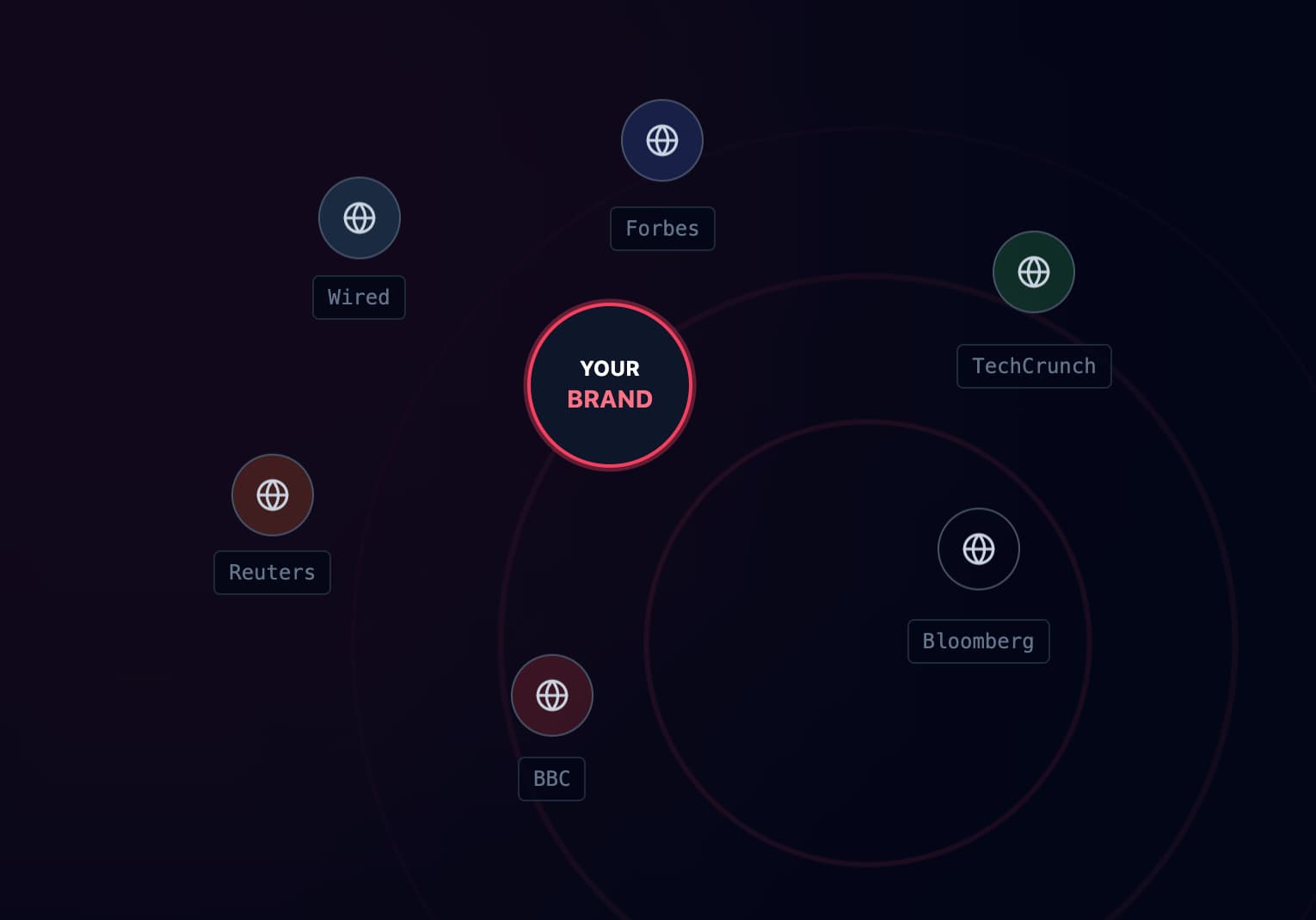
Think of backlinks as corporate endorsements in digital form. When The Financial Times links to your company's research, or when a respected trade publication references your expertise, these aren't just traffic sources—they're public votes of confidence in your authority.
Search engines, particularly Google, use these digital endorsements to determine market leadership. They're asking: "Who do the most credible sources in London's business community actually trust?" If leading publications, industry bodies, and established businesses are linking to your content, it signals that you're not just another player in the market—you're a recognised authority.
This is why our data-driven SEO approach focuses heavily on earning, not buying, these digital endorsements. A single backlink from a respected London publication or industry authority can carry more weight than dozens of low-quality links. It's about quality relationships, not quantity metrics.
The businesses dominating London's search results aren't just optimising for keywords—they're building digital networks of credibility that reinforce their market position with every passing month.
The "Mayfair Standard": Why Technical Performance is Your Digital Front Door
Picture this scenario: You're meeting a potential client at your offices. They arrive to find a broken doorbell, a cluttered reception area, and lifts that take forever to respond. Regardless of how brilliant your actual service might be, that first impression has already damaged your credibility.
Your website's technical performance serves exactly the same function. When a high-value prospect clicks on your search result, the speed and quality of their experience forms an immediate impression about your business standards. In London's competitive marketplace, where decision-makers expect excellence as standard, a slow-loading website is the digital equivalent of a shabby office.
Google's Core Web Vitals aren't technical jargon—they're measurements of your digital professionalism. When your site takes five seconds to load (the current average for poor-performing sites), you're not just losing traffic. You're communicating to London's most demanding prospects that your business doesn't meet their standards.
The psychology is straightforward: if you can't manage your own digital presence efficiently, why should a client trust you with their critical business challenges? This is particularly crucial in London's high-stakes industries—finance, law, luxury real estate—where competence and reliability aren't just preferences, they're prerequisites.
Fixing these technical foundations isn't about appeasing search engines. It's about ensuring that when opportunity knocks digitally, your business is ready to make the right first impression.
Conversion Science: Turning Searchers into Signed Contracts
Getting prospects to your website is only half the battle. The more sophisticated challenge—and where most London businesses fail spectacularly—is converting that visibility into actual business outcomes.
This is where understanding search intent becomes crucial. When someone searches for "corporate restructuring lawyers London," they're not conducting academic research. They're facing a specific business challenge and evaluating their options. Your content must speak directly to that mindset, addressing not just what you do, but why you're the obvious choice for their particular situation.
The most successful London businesses understand that different searches represent different stages of the decision-making process. Someone searching for "what is due diligence" requires educational content that positions you as a trusted advisor. Someone searching for "M&A lawyers Canary Wharf" is ready to evaluate specific firms and compare credentials.
Our Search Intent Alignment Framework maps content not just to search volume, but to the psychological state of the searcher. While other agencies focus on driving traffic, we focus on attracting the right traffic at the right moment—when they're mentally prepared to engage seriously with your business.
This precision targeting is particularly valuable in London's B2B marketplace, where a single high-quality lead can be worth hundreds of thousands in revenue. It's not about more visitors; it's about better visitors who are pre-qualified and ready to transact.
Local Dominance: Winning the "London Bubble"
For London businesses, local SEO isn't a nice-to-have feature—it's existential. When potential clients search for services "near me" or include London-specific terms, Google's local results become your digital shopfront on the city's most valuable commercial street.
The Map Pack—those three businesses featured prominently in local search results—represents some of the most valuable digital real estate in London. These positions capture searchers at the moment of highest intent, when they're ready to make contact, visit, or purchase.
Consider the psychology: when a search includes location-specific terms like "Mayfair," "Canary Wharf," or "near me," it signals immediate commercial intent. These aren't people gathering general information—they're looking for a specific service in a specific location, often with urgency.
Google has essentially become London's most influential concierge service. When local searches are performed, the algorithm makes recommendations based on relevance, authority, and proximity. If your business isn't appearing in these recommendations, you're effectively invisible to the most valuable local opportunities.
This local dominance becomes particularly crucial for professional services, where trust and proximity matter. A law firm, consultancy, or agency that dominates local search results doesn't just capture more leads—they're perceived as the established local authority in their field.
The Digital Equity Advantage
Let me leave you with a framework that changes how you think about SEO investment:
Traditional PPC Model:
- Instant visibility, but rental costs never end
- High recurring expenses with no asset building
- Results disappear the moment spending stops
- Increasingly competitive bidding drives costs up
SEO as Digital Equity:
- Slower initial results, but compounding returns
- Decreasing cost-per-lead over time
- Builds a permanent business asset
- Establishes genuine industry authority
The most successful London businesses aren't choosing between these approaches—they're using both strategically. But they understand that while PPC provides immediate tactical wins, SEO builds the sustainable competitive advantages that define market leaders.
The question isn't whether you can afford to invest in SEO. In London's competitive landscape, the real question is whether you can afford not to build these digital assets while your competitors are establishing unassailable positions in your market.
If you're ready to stop renting your digital presence and start building equity in your market position, book a free consultation with our London team. Let's discuss how to transform your SEO from a technical expense into your most valuable business asset.
Because in London's digital marketplace, visibility isn't just about being seen—it's about being recognised as the obvious choice when your prospects are ready to buy.
Ready to capture your share of London's digital market? Speak to our London team about building sustainable competitive advantages through strategic SEO. Our SEO Agency London specialists help ambitious businesses transform search visibility into measurable business growth.