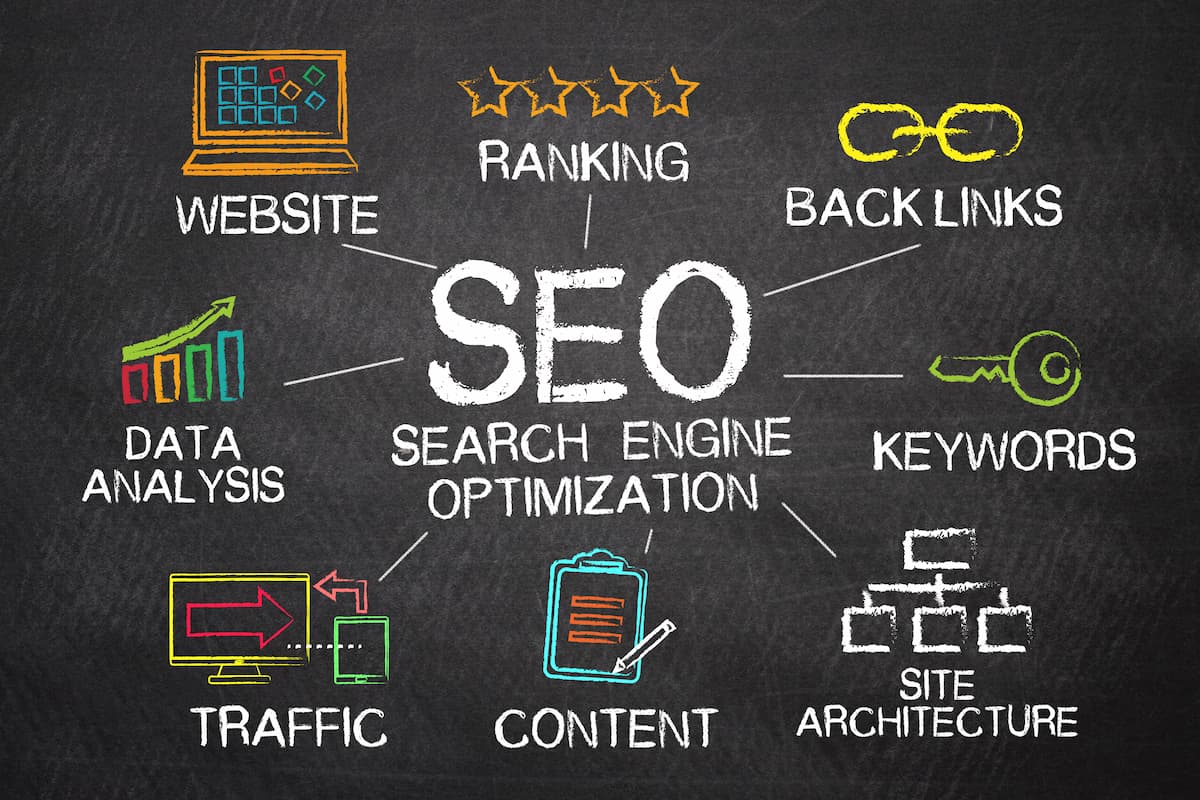
Introduction
Getting your page to the top of Google search results has become increasingly challenging as competition intensifies across virtually every industry in 2026. With millions of UK businesses vying for visibility and AI-powered search platforms like ChatGPT and Google's AI Overviews changing how users find information, understanding how to get your page on top of Google search is crucial for business success. The fundamental principles of search rankings remain consistent—relevance, authority, and user experience—but the implementation has evolved significantly. Modern ranking success requires a comprehensive approach that addresses traditional search factors whilst optimising for AI search platforms. This guide explains the proven strategies that help pages achieve top rankings, from technical foundations to authority building, providing UK business owners with the knowledge needed to compete effectively in today's search landscape.
How Does Google Decide Which Pages Rank at the Top?
Understanding Google's Ranking Systems
Google's ranking algorithms evaluate hundreds of signals to determine which pages deserve top positions for any given search query. The search engine's primary objective is delivering the most relevant, trustworthy, and useful results to users. Understanding how to get your page on top of Google search begins with recognising that Google doesn't simply match keywords—it analyses content quality, website authority, user behaviour signals, and technical performance.
Modern Google rankings operate through machine learning systems that continuously refine their understanding of search intent and content quality. These systems evaluate how well pages satisfy user queries, considering factors like dwell time, click-through rates, and user engagement patterns. The algorithm also assesses topical expertise, looking for signals that indicate genuine knowledge and authority within specific subject areas.
Relevance, Authority and User Experience
The three pillars of Google rankings are relevance, authority, and user experience. Relevance involves matching search intent with content that directly addresses user queries. Authority comes from demonstrating expertise through quality content, authoritative backlinks, and consistent performance over time. User experience encompasses technical performance, mobile usability, page speed, and overall satisfaction indicators.
Google's EEAT framework (Experience, Expertise, Authoritativeness, and Trustworthiness) plays an increasingly important role in rankings, particularly for topics that could impact user wellbeing or financial decisions. Pages that demonstrate clear expertise and provide reliable information are more likely to achieve top rankings, especially in competitive markets.
How to Get Your Page on Top of Google Search
Ensure Your Website Is Indexed
Before any page can rank, Google must first discover, crawl, and index it. Many businesses struggle with rankings simply because their pages aren't properly indexed. Google Search Console provides essential tools for monitoring indexing status and identifying potential issues.
Submit your sitemap through Google Search Console and regularly monitor the Coverage report to identify indexing problems. Use the URL Inspection Tool to check specific pages and request indexing for new or updated content. Ensure your robots.txt file isn't blocking important pages and that your website's crawl budget is optimised for your most valuable content.
Target the Right Keywords
Effective keyword targeting forms the foundation of how to rank higher on Google. Conduct thorough keyword research to identify terms your target audience actually searches for, focusing on search intent rather than just search volume. Consider the buyer's journey and target keywords that align with your business objectives.
Long-tail keywords often provide better opportunities for ranking success, particularly for newer websites or competitive industries. Tools like Google's Keyword Planner, combined with competitor analysis, help identify realistic ranking opportunities that match your content capabilities and business goals.
Match Search Intent
Understanding and matching search intent is crucial for achieving top rankings. Google categorises search intent into informational, navigational, commercial, and transactional queries. Your content must align with the specific intent behind your target keywords.
Analyse the current top-ranking pages for your target keywords to understand what type of content Google considers most relevant. If informational content dominates the first page, creating a product page targeting those keywords will likely struggle to rank effectively.
Create Better Content Than Competitors
Content quality remains a primary ranking factor, but "better" doesn't necessarily mean longer. Focus on creating content that provides more value, answers questions more thoroughly, and offers unique insights that competitors miss. Consider user experience elements like readability, structure, and visual presentation.
Your content should demonstrate expertise through detailed explanations, practical examples, and original research where appropriate. Update content regularly to maintain accuracy and relevance, particularly for topics where information changes frequently.
Improve Internal Linking
Strategic internal linking helps Google understand your website's structure and distributes authority throughout your site. Create logical link pathways that guide users through related content whilst helping search engines discover and understand your page relationships.
Implementing data-driven SEO insights can help identify internal linking opportunities that improve both user experience and search visibility. Focus on linking to your most important pages from high-authority content and ensure your internal anchor text is descriptive and relevant.
Build Authority and Trust
Authority building requires consistent effort across multiple areas. Quality backlinks from relevant, authoritative websites remain important, but focus on earning links through valuable content and genuine relationships rather than manipulative tactics.
Demonstrate expertise through author credentials, customer testimonials, case studies, and industry recognition. Consistent building topical authority helps establish your website as a trusted source within your specific industry or niche.
Quick Process: Steps to Improve Your Google Rankings
- Audit current rankings and identify improvement opportunities
- Research target keywords based on search intent and competition
- Optimise existing content for target keywords and user experience
- Fix technical SEO issues affecting crawling and indexing
- Develop comprehensive content targeting relevant search queries
- Build internal links between related pages and topics
- Monitor performance and adjust strategy based on results
How to Make Your Site Appear on Google
Google Search Console Setup
Google Search Console provides essential tools for monitoring your website's search presence and identifying technical issues. Verify your website property and submit your XML sitemap to help Google discover and understand your site structure.
Regular monitoring of Search Console data reveals indexing issues, crawl errors, and security problems that could prevent your pages from appearing in search results. The Performance report shows which queries drive traffic to your site and identifies opportunities for improvement.
XML Sitemaps
XML sitemaps help search engines discover and understand your website's structure. Include your most important pages and update the sitemap regularly when adding new content. Prioritise pages based on their importance to your business objectives.
Submit your sitemap through Google Search Console and monitor for any reported errors. Consider creating separate sitemaps for different content types, such as products, blog posts, and main service pages, particularly for larger websites.
Indexing Best Practices
Optimise your website for efficient crawling and indexing by ensuring fast page load speeds, logical site structure, and clear navigation. Remove barriers that prevent search engines from accessing important content, such as excessive JavaScript dependencies or broken internal links.
Use structured data markup to help Google understand your content context and potentially earn enhanced search result features. Regular technical audits help identify and resolve issues that could impact your site's ability to appear in search results.
How to Rank Higher on Google in 2026
Topical Authority
Building topical authority involves creating comprehensive, expert-level content around specific subject areas rather than targeting isolated keywords. This approach helps establish your website as a trusted resource within your industry, improving rankings across multiple related search terms.
Develop content clusters that cover topics thoroughly from multiple angles, linking related pages together to demonstrate expertise and help users find comprehensive information. Professional SEO services in London often focus heavily on topical authority development for competitive markets.
EEAT Signals
Experience, Expertise, Authoritativeness, and Trustworthiness signals have become increasingly important for rankings, particularly in competitive industries. Demonstrate real-world experience through case studies, detailed process explanations, and evidence of successful outcomes.
Author credentials, professional certifications, industry awards, and media mentions all contribute to EEAT signals. Ensure your content includes appropriate author bylines and contact information to establish accountability and trustworthiness.
User Experience Signals
Core Web Vitals and other user experience metrics influence rankings as Google prioritises pages that provide positive user experiences. Focus on page speed optimisation, mobile responsiveness, and visual stability to improve these signals.
Monitor user behaviour metrics like bounce rate, time on page, and pages per session to identify content and design improvements. High-quality user experiences often correlate with better search rankings as satisfied users engage more deeply with content.
AI Search Readiness
Optimising for AI search platforms requires structured, factual content that answers questions directly and provides clear, quotable information. Understanding how AI search is changing SEO helps ensure your content performs well across traditional and AI-powered search platforms.
Use clear headings, bullet points, and numbered lists to make information easily extractable by AI systems. Provide direct answers to common questions whilst maintaining depth and context that demonstrates expertise.
Common Reasons Websites Fail to Rank
Poor Content Quality
Many websites struggle to rank because their content lacks depth, originality, or genuine value to users. Thin content that merely repeats information available elsewhere rarely achieves top rankings in competitive markets.
Content quality issues include keyword stuffing, poor readability, factual inaccuracies, and failure to address user intent comprehensively. Focus on creating unique, valuable content that provides insights competitors miss or explains complex topics more clearly.
Weak Authority
Websites without sufficient authority signals struggle to compete for top rankings, particularly in competitive industries. Authority building requires consistent effort across content quality, backlink acquisition, and expertise demonstration.
New websites or those in highly competitive markets need patience and sustained effort to build the authority necessary for top rankings. Consider targeting less competitive long-tail keywords initially whilst building overall domain authority.
Technical SEO Issues
Technical problems can prevent even high-quality content from ranking effectively. Common issues include slow page speeds, mobile usability problems, crawl errors, and poor site architecture that confuses search engines.
Regular technical SEO checklist audits help identify and resolve issues before they impact rankings significantly. Addressing technical foundations often provides quick wins that improve overall search visibility.
Incorrect Keyword Targeting
Targeting keywords that don't match search intent or business objectives leads to poor ranking performance even when technical and content factors are optimised correctly. Many businesses target overly competitive terms without considering their realistic ranking potential.
Research competitor content and current ranking pages to understand what type of content Google considers most relevant for your target keywords. Adjust your keyword strategy based on realistic assessment of your website's competitive position.
Technical SEO Factors That Influence Rankings
Core Web Vitals
Google's Core Web Vitals measure loading performance, interactivity, and visual stability—factors that directly impact user experience and rankings. Largest Contentful Paint (LCP) should occur within 2.5 seconds, First Input Delay (FID) should be less than 100 milliseconds, and Cumulative Layout Shift (CLS) should be less than 0.1.
Optimise images, minimise JavaScript execution, and improve server response times to enhance Core Web Vitals scores. Regular monitoring helps identify performance degradation before it impacts rankings significantly.
Mobile Experience
Mobile-first indexing means Google primarily uses the mobile version of your website for ranking purposes. Ensure your mobile experience provides the same content and functionality as your desktop version, with optimised navigation and readable text without zooming.
Test your website on various mobile devices and connection speeds to identify user experience issues. Fast loading times and easy navigation on mobile devices are essential for maintaining competitive rankings.
Structured Data
Schema markup helps search engines understand your content context and can enhance your search result appearance through rich snippets. Implement relevant structured data types for your business, such as Organization, LocalBusiness, Product, or Article markup.
Use Google's Structured Data Testing Tool to validate your markup implementation and monitor Search Console for structured data errors. Properly implemented structured data can improve click-through rates and search visibility.
Crawlability
Search engines must be able to crawl and access your content efficiently. Optimise your robots.txt file, fix broken links, and ensure important pages are accessible within a few clicks from your homepage.
Monitor crawl statistics in Google Search Console to identify potential issues with crawl budget allocation. Large websites should prioritise their most important pages and reduce crawl waste from low-value content.
How AI Search Is Changing Google Rankings
AI Overviews
Google's AI Overviews feature synthesises information from multiple sources to answer complex queries directly in search results. Optimising for AI Overviews requires clear, factual content that provides direct answers whilst maintaining comprehensive depth.
Structure your content to make key information easily extractable by AI systems. Use clear headings, definitions, and step-by-step explanations that AI can confidently cite and reference.
Entity SEO
AI search platforms increasingly focus on understanding entities—people, places, things, and concepts—rather than just keywords. Develop content that establishes clear entity relationships and demonstrates expertise around specific topics.
Use consistent naming conventions, implement appropriate schema markup, and create comprehensive content around your core business entities. This approach helps AI systems understand your expertise and cite your content appropriately.
Information Gain
AI search platforms prioritise content that provides unique information or perspectives not readily available elsewhere. Focus on original research, unique insights, and practical examples that add genuine value to existing knowledge.
Monitor what information gaps exist in your industry and create content that fills these gaps with authoritative, well-researched information. AI content optimisation strategies help ensure your content performs well across various AI platforms.
Agency Insight: What Most Businesses Get Wrong About Ranking on Google
From our experience working with UK businesses, three critical misconceptions consistently undermine ranking success. First, many businesses believe that simply creating more content will automatically improve rankings. However, without proper keyword research, search intent alignment, and technical optimisation, additional content often cannibalises existing rankings rather than improving them.
Second, businesses frequently underestimate the time and consistency required for ranking improvements. Expecting immediate results from SEO efforts leads to premature strategy changes that prevent long-term success. Sustainable ranking improvements typically require 3-6 months of consistent effort, with competitive markets requiring even longer timeframes.
Third, most businesses focus exclusively on external factors like backlinks whilst neglecting internal optimisation opportunities. Poor internal linking, weak content structure, and technical issues often limit ranking potential more than lack of external authority. Addressing internal factors typically provides better return on investment than pursuing difficult-to-obtain external links.
How Long Does It Take to Reach the Top of Google?
Ranking timelines vary significantly based on competition, website authority, and keyword difficulty. New websites typically require 3-6 months to achieve meaningful rankings for moderately competitive keywords, whilst established websites with existing authority may see improvements within 4-8 weeks.
Highly competitive keywords in industries like finance, legal services, or health may require 6-12 months or longer to achieve top rankings. Building the necessary authority and trust signals takes time, particularly for businesses competing against well-established websites.
Realistic expectations help maintain consistent effort over the timeframes required for ranking success. Quick wins often come from targeting long-tail keywords and fixing obvious technical issues, whilst broader competitive terms require sustained effort across multiple ranking factors. Integrating conversion rate optimisation ensures that ranking improvements translate into business growth rather than just vanity metrics.
Frequently Asked Questions
How do I get my page to the top of Google?
Getting your page to the top of Google requires optimising for relevance, authority, and user experience. Start by ensuring your page is indexed, target the right keywords based on search intent, create high-quality content that's better than competitors, and build authority through quality backlinks and expertise signals. Technical factors like page speed, mobile experience, and proper internal linking also play crucial roles.
How long does SEO take to work?
SEO typically takes 3-6 months to show meaningful results for moderately competitive keywords. New websites need longer to build authority, whilst established sites with existing rankings may see improvements within 4-8 weeks. Highly competitive keywords can require 6-12 months or more, depending on your website's starting authority and the competition level.
Why is my website not appearing on Google?
Your website may not appear on Google due to indexing issues, technical problems, or insufficient authority. Check Google Search Console for crawl errors, ensure your sitemap is submitted, verify your robots.txt isn't blocking important pages, and confirm your content matches search intent. Poor content quality or excessive competition for your target keywords can also limit visibility.
How do I make my site appear on Google?
To make your site appear on Google, submit your sitemap through Google Search Console, ensure your website is technically sound with fast loading speeds and mobile responsiveness, create quality content targeting relevant keywords, and build internal and external links. Regular monitoring through Search Console helps identify and resolve any indexing issues.
What is the fastest way to improve Google rankings?
The fastest ranking improvements typically come from fixing technical issues, optimising existing content for better search intent alignment, and improving internal linking structure. Target long-tail keywords with lower competition, ensure your Google Business Profile is optimised for local searches, and focus on user experience improvements like page speed and mobile usability.
Can I rank without backlinks?
While challenging, ranking without backlinks is possible for low-competition keywords, local searches, and through exceptional content quality and technical optimisation. Focus on building topical authority, creating comprehensive content clusters, optimising for user experience signals, and leveraging internal linking. However, backlinks remain important for competitive keywords.
Does AI content rank on Google?
AI content can rank on Google if it provides genuine value, demonstrates expertise, and satisfies search intent. Google focuses on content quality and usefulness rather than creation method. However, AI content should be fact-checked, edited for accuracy, and enhanced with unique insights or perspectives to compete effectively with human-created content.
What factors affect Google rankings most in 2026?
The most important ranking factors in 2026 include content quality and search intent alignment, EEAT signals (Experience, Expertise, Authoritativeness, Trustworthiness), user experience metrics including Core Web Vitals, topical authority, and mobile experience. AI search optimisation and entity SEO are increasingly important as search technology evolves.
How important is technical SEO for rankings?
Technical SEO is crucial for rankings as it affects Google's ability to crawl, index, and understand your content. Poor technical foundations can prevent even excellent content from ranking well. Key technical factors include page speed, mobile responsiveness, crawlability, structured data, and proper site architecture. Technical issues often provide quick ranking improvements when resolved.
Do small businesses have a chance to rank against larger competitors?
Small businesses can compete effectively by targeting long-tail keywords, focusing on local SEO opportunities, building topical authority in specific niches, and providing superior user experiences. Competing on relevance and expertise rather than pure authority often provides better opportunities than targeting highly competitive broad keywords dominated by larger websites.
Final Thoughts
Learning how to get your page on top of Google search requires understanding that rankings result from multiple optimised factors working together rather than any single technique. Success comes from creating genuinely valuable content that matches search intent, building topical authority within your industry, ensuring excellent technical performance, and maintaining consistency over time.
The evolving search landscape in 2026 requires businesses to optimise for both traditional search engines and emerging AI platforms whilst maintaining focus on providing genuine value to users. Companies that combine technical excellence with expert content creation and strategic authority building are best positioned to achieve sustainable ranking success.
Remember that effective SEO is a long-term strategy requiring patience, consistency, and continuous adaptation to algorithm changes and competitive pressures. Focus on building a strong foundation of quality content, technical performance, and user experience that serves your audience's needs whilst demonstrating expertise within your industry.
If you're ready to improve your website's search visibility and achieve sustainable ranking improvements, explore our comprehensive SEO services and discover how professional guidance can accelerate your ranking success whilst avoiding common pitfalls that waste time and resources.
Information Disclaimer:
This article is for educational and informational purposes only.
Outcomes vary by market, implementation quality, and ongoing performance management.
Please seek qualified professional advice for your specific business circumstances.